Deceased Donor Liver Transplant

Best Liver Transplant Surgeon in India

Liver Transplant & GI Surgeon | MBBS, MS, DNB (Surgical Gastroenterology)

Cadaveric (Deceased Donor) Liver Transplant: A Second Chance at Life

For someone battling severe liver disease, each day can feel uncertain. Medicines may slow the damage and procedures may buy time, but when the liver finally stops working, choices become limited. In that moment, a cadaveric liver transplant can offer something beyond treatment— a new beginning.

Behind every successful transplant lies an incredible act of humanity. A grieving family chooses organ donation, and their decision becomes hope for another person waiting for a miracle.

Understanding Cadaveric Donation

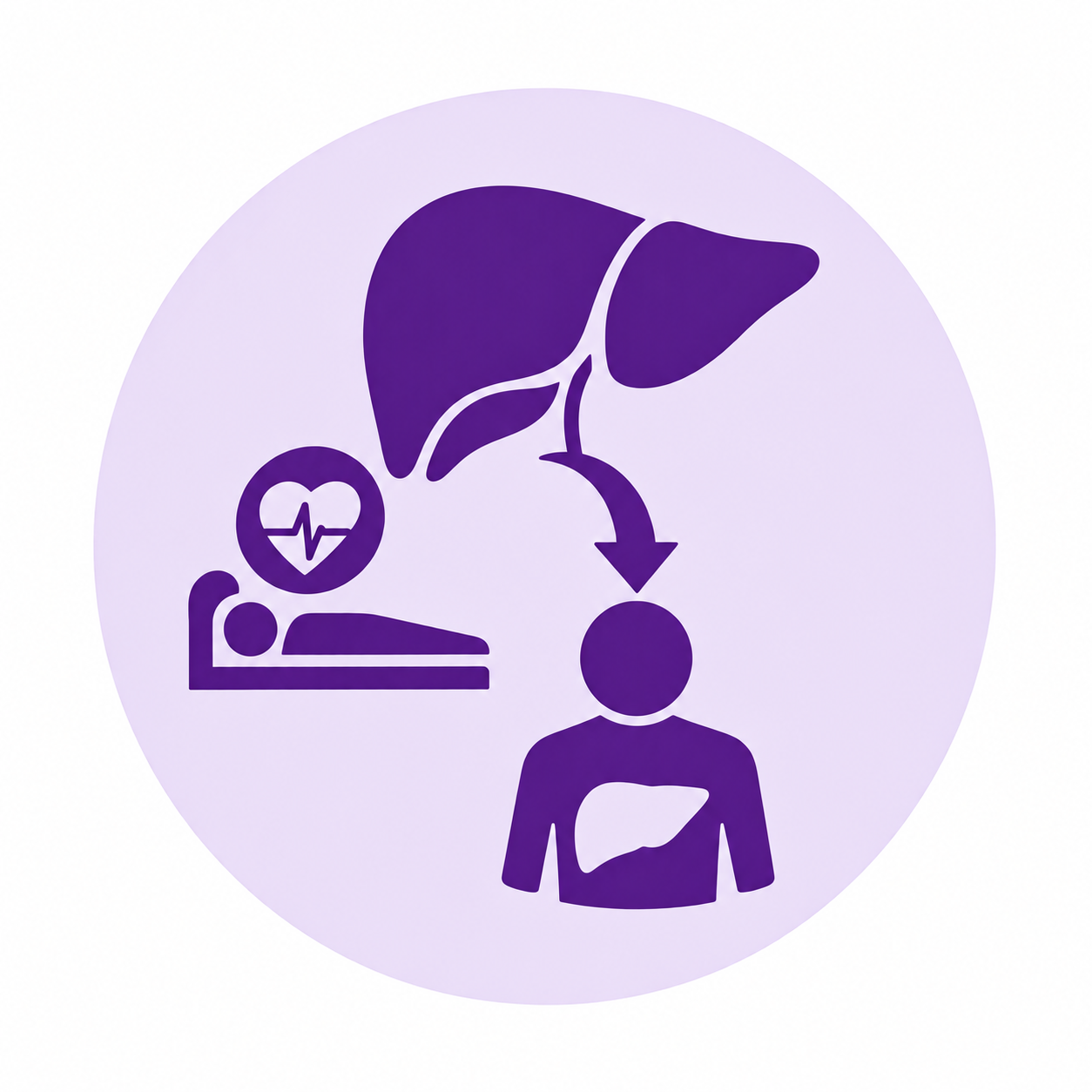
A cadaveric transplant uses a liver from a donor declared brain dead — a condition that is permanent and irreversible. With the consent of loved ones, organs are retrieved and allocated to patients in urgent need. Such a liver can be used as whole or can be split in two parts; and can be used in two patients.

Strangers become connected in the most profound way: one life continuing through another.

Who May Need a Transplant?

Transplants are advised for patients with end-stage liver disease, acute liver failure, certain inherited disorders, or select liver cancers. When the liver can no longer clean the blood, make vital proteins, or aid digestion, replacement becomes the only life-saving solution.

Without it, survival can be difficult.

Important Medical Indications for Liver Transplant

Doctors may recommend a transplant when the liver cannot recover and survival without replacement becomes difficult. Common situations include:

  • Advanced cirrhosis caused by Hepatitis B or Hepatitis C

  • Alcohol-related liver damage

  • Nonalcoholic fatty liver disease (NASH), progressing to cirrhosis

  • Sudden, severe liver failure, often related to viruses and sometimes due to Paracetamol toxicity

  • Early Hepatocellular carcinoma in eligible patients

  • Genetic conditions such as Wilson’s disease

  • Bile duct disorders like Biliary atresia in children

  • Repeated complications such as ascites, internal bleeding, or encephalopathy
The Transplant Journey

When a donor liver becomes available, everything moves fast. The organ is preserved carefully while the recipient is readied for surgery.

Surgeons remove the failing liver and implant the healthy one, reconnecting blood vessels and bile ducts with extraordinary precision. Often, the new liver starts working right away — a moment families describe as nothing short of miraculous.

Life After Surgery

Transplant is not the end of treatment; it is the start of a new life. Regular follow-ups, investigations, medications to prevent rejection, and guided recovery help patients regain strength. Many people return to work, share meals freely, travel, and once again enjoy everyday moments with those they love.

The impossible gradually becomes possible. With modern surgical expertise and coordinated critical care, outcomes are very encouraging. Success rates for deceased donor liver transplants are high, often ranging between 90% and 95%, allowing many patients to live long and productive lives.

Why Awareness Saves Lives

The biggest barrier is the lack of donors. The number of people waiting far exceeds available organs. A single decision to donate can rescue multiple families from loss.

Organ donation is a final gift that keeps love alive.

Why Choose Marengo Asia Hospitals – Sector 16, Faridabad?

Recognized as a leading center for cadaver liver transplantation, the hospital is trusted by thousands for its expertise, technology, and patient-first approach.

Expert Leadership: The program is headed by Dr. Punit Singla, who brings over 18 years of experience and 2500+ successful liver transplants, including highly complex and fatty liver cases.

Advanced Technology: Modern operating suites and cutting-edge surgical systems ensure precision, safety, and world-class care.

Personalized Support: Each patient receives a tailored plan, backed by comprehensive pre- and post-transplant care for smoother recovery.

Proven Outcomes: Strong survival rates and consistent results make the center a preferred destination in the region.

Expert Care You Can Trust

In emergencies, families across Delhi NCR rely on the experience of Dr. Punit Singla and his team to deliver timely, life-saving treatment.

Book your appointment today:
🌐 www.livertransplantsurgeon.co.in
📞 +91-9988591928 / 7087797765
📧 drpunitsingla@gmail.com

Schedule Consultation

Explore Liver Conditions

Understand your liver condition, symptoms, causes and advanced treatment options.

Liver Diseases

Excess fat build-up in the liver can lead to inflammation and serious complications.

Chronic Liver Disease

Scarring of the liver tissue due to long-term damage and inflammation.

Liver Cancer

Liver cancer develops when abnormal liver cells grow uncontrollably and may require carefully planned surgical, interventional, or multidisciplinary treatment.

Liver cirrhosis

Cirrhosis is advanced liver scarring caused by long-term liver damage, which can gradually impair liver function and lead to serious complications.

Liver Hepatitis

Hepatitis is inflammation of the liver that may result from viral infections, autoimmune conditions, medications, or other causes affecting liver health.

Autoimmune hepatitis

Autoimmune hepatitis is a disease where your immune system attacks your own healthy liver cells, leading to inflammation and potential liver damage.

Acute Liver Failure

Liver failure occurs when the liver can no longer perform essential functions, requiring urgent assessment, supportive treatment, and sometimes transplantation.

Gall Bladder Cancer

Gallbladder cancer is a rare and aggressive malignancy that originates in the inner glandular cells of the gallbladder.

Fatty Liver

Fatty liver occurs when excess fat builds up in the liver, often linked to metabolic health, lifestyle factors (Alcohol), and other underlying conditions.

Bile Duct Cancer

Bile duct cancer (cholangiocarcinoma) develops in the ducts carrying bile from the liver and may require complex surgery, reconstruction, or cancer-directed treatment.

Not sure which condition applies to you?

Our experts can help you identify the issue and guide you.