Understand your liver condition, symptoms, causes and advanced treatment options.
Excess fat build-up in the liver can lead to inflammation and serious complications.
Scarring of the liver tissue due to long-term damage and inflammation.
Liver cancer develops when abnormal liver cells grow uncontrollably and may require carefully planned surgical, interventional, or multidisciplinary treatment.
Cirrhosis is advanced liver scarring caused by long-term liver damage, which can gradually impair liver function and lead to serious complications.
Hepatitis is inflammation of the liver that may result from viral infections, autoimmune conditions, medications, or other causes affecting liver health.
Autoimmune hepatitis is a disease where your immune system attacks your own healthy liver cells, leading to inflammation and potential liver damage.
Liver failure occurs when the liver can no longer perform essential functions, requiring urgent assessment, supportive treatment, and sometimes transplantation.
Gallbladder cancer is a rare and aggressive malignancy that originates in the inner glandular cells of the gallbladder.
Fatty liver occurs when excess fat builds up in the liver, often linked to metabolic health, lifestyle factors (Alcohol), and other underlying conditions.
Bile duct cancer (cholangiocarcinoma) develops in the ducts carrying bile from the liver and may require complex surgery, reconstruction, or cancer-directed treatment.

Not sure which condition applies to you?
Our experts can help you identify the issue and guide you.
Minimally invasive liver surgery for faster recovery and comfort.
Liver transplantation using a healthy liver segment from a donor.
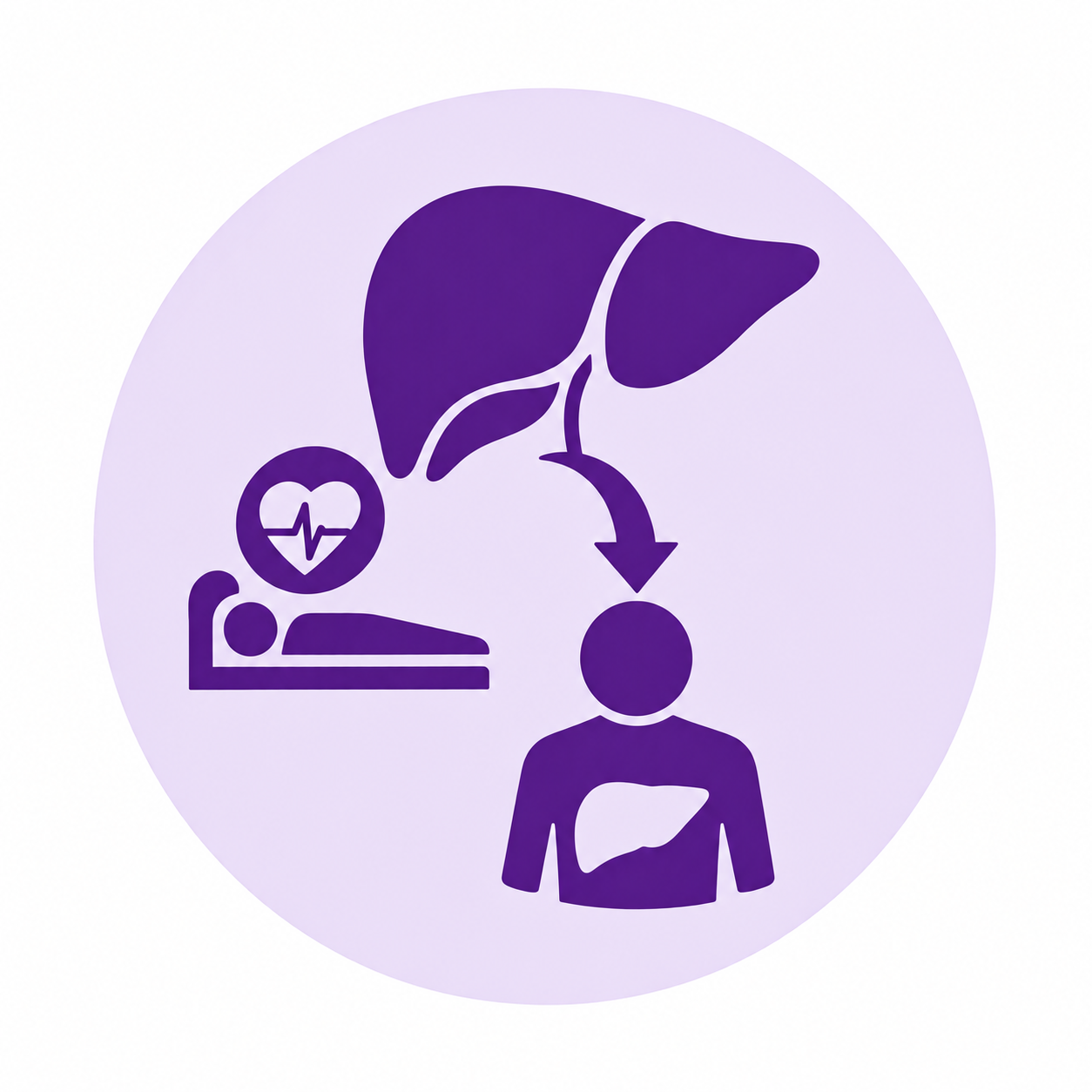
Transplantation using a donated liver from a deceased donor.
Advanced treatments for selected liver tumors without surgery.

Comprehensive assessment to determine suitability for liver transplantation.
Liver Transplant & GI Surgeon | MBBS, MS, DNB (Surgical Gastroenterology)
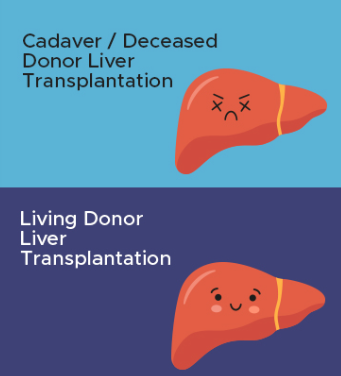
In the world of organ transplantation, miracles often rise from moments of unimaginable loss. Cadaveric donation, also known as deceased donor organ donation, is one such profound miracle. Even after a life comes to an end, it can become the reason many others continue, heal, and begin again.
For patients waiting for a liver transplant, this gift can mean the difference between hope and heartbreak, between more time and time running out.
Cadaveric donation happens when a person is declared brain-dead, meaning there is a complete and irreversible loss of brain function. Although machines may support breathing and heartbeat for a short period, the person cannot recover.
With the consent of the family, doctors can donate healthy organs to patients in urgent need.
A single donor can save or transform multiple lives—by donating the liver, kidneys, heart, lungs, pancreas, and even tissues like corneas.
For someone living with advanced liver disease, time is not just precious—it is critical. As the liver fails, complications can appear quickly: internal bleeding, confusion, extreme weakness, and multi-organ damage. For many patients, a transplant is not optional; it is the only way to cure them.
Distribution is done ethically and scientifically, based on government guidelines and regulations. Doctors consider:
The goal is simple: save the patient who needs it most, at the right time, with the best possible outcome.
Myth: Doctors won’t try as hard to save the patient if they know about donation.
Truth: Saving the patient’s life is always the first and only priority. The transplant team is completely separate from the doctors treating the patient. Donation is considered only after brain death is confirmed through strict medical protocols, as per government policies.
Myth: Organ donation disfigures the body.
Truth: Organs are removed with great respect by skilled surgeons. The body is carefully reconstructed, and families can proceed with normal funeral or religious practices.
Myth: My religion does not allow organ donation.
Truth: Most major religions support organ donation as an act of charity, compassion, and saving human life. Many faith leaders actively encourage it.
Myth: The patient might recover from brain death.
Truth: Brain death is irreversible. It is legally and medically recognized as death. Recovery is not possible.
Myth: Age or medical history automatically makes donation impossible.
Truth: Doctors assess each organ separately. Even elderly individuals or those with certain illnesses may still donate healthy organs or tissues.
Myth: Wealthy or famous people get priority.
Truth: Allocation follows strict rules based on urgency, compatibility, and waiting time. Social or financial status does not influence who receives an organ.
Myth: Donation will delay funeral arrangements.
Truth: The process is organized quickly and respectfully. It usually does not cause significant delays.
Myth: Families have to pay for the donation process.
Truth: There is no cost to the donor’s family for organ retrieval.
Marengo Asia Hospitals – Sector 16, Faridabad is a dedicated center offering in Cadaver liver transplant surgery, serving patients with complex liver conditions. Key aspects of the transplant program include:
Surgical Leadership: Led by Dr. Punit Singla, a recognized liver transplant specialist with over 18 years of experience and more than 2,500 liver transplant procedures. He specializes in liver surgeries, including fatty liver and complex cases.
Advanced Technology: The hospital has state-of-the-art robotic surgical systems that provide world-class precision and care in liver transplantation.
Personalized Care: Each patient receives a tailored treatment plan from skilled surgeons, along with dedicated postoperative support to ensure a smooth recovery.
Clinical Protocols & Care: Marengo Asia Hospitals follows standardized clinical protocols and evidence-based postoperative care to support patient recovery in liver transplant surgery.
This multidisciplinary clinical team, modern surgical infrastructure, and patient-focused approach support Marengo Asia Hospitals’ program for liver transplants in the region.
Understand your liver condition, symptoms, causes and advanced treatment options.
Excess fat build-up in the liver can lead to inflammation and serious complications.
Scarring of the liver tissue due to long-term damage and inflammation.
Liver cancer develops when abnormal liver cells grow uncontrollably and may require carefully planned surgical, interventional, or multidisciplinary treatment.
Cirrhosis is advanced liver scarring caused by long-term liver damage, which can gradually impair liver function and lead to serious complications.
Hepatitis is inflammation of the liver that may result from viral infections, autoimmune conditions, medications, or other causes affecting liver health.
Autoimmune hepatitis is a disease where your immune system attacks your own healthy liver cells, leading to inflammation and potential liver damage.
Liver failure occurs when the liver can no longer perform essential functions, requiring urgent assessment, supportive treatment, and sometimes transplantation.
Gallbladder cancer is a rare and aggressive malignancy that originates in the inner glandular cells of the gallbladder.
Fatty liver occurs when excess fat builds up in the liver, often linked to metabolic health, lifestyle factors (Alcohol), and other underlying conditions.
Bile duct cancer (cholangiocarcinoma) develops in the ducts carrying bile from the liver and may require complex surgery, reconstruction, or cancer-directed treatment.
Not sure which condition applies to you?
Our experts can help you identify the issue and guide you.